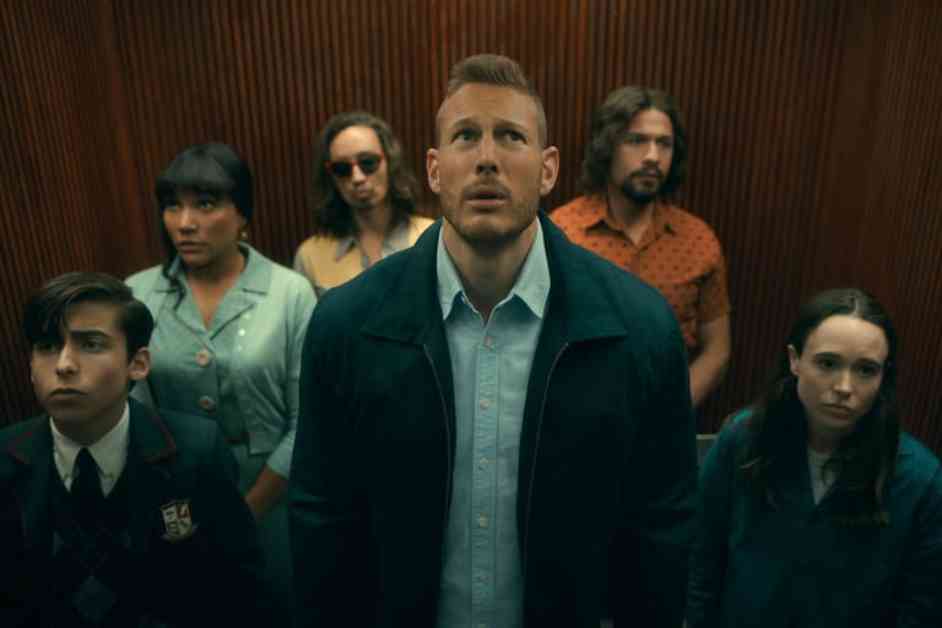
So, here we go, diving into the messy, kinda chaotic world behind the scenes of The Umbrella Academy. Not many people talk about what really goes on when the cameras stop rolling, but let me tell you, it’s not all sunshine and rainbows. There’s been some serious talk about a toxic work environment on The Umbrella Academy set, and on top of that, some questionable comments about Elliot Page have surfaced recently, which honestly, made a lot of people raise their eyebrows. I’m not really sure why this matters so much to some, but it sure got the media buzzing.
First things first, what is The Umbrella Academy even about? In case you didn’t know, it’s a popular show about a dysfunctional family of superheroes, which somehow managed to grab the attention of millions worldwide. Despite all the drama, the show kept its charm and fans kept coming back for more seasons. But the thing is, behind the glitz and glam, the set was reportedly far from perfect.
People who worked on the show mentioned multiple issues that made the environment pretty uncomfortable. From bad communication to some cast and crew feeling ignored or disrespected, it was a whole mess. Some incidents involved rude behavior, favoritism, and even moments where people felt bullied or sidelined. Honestly, it sounds like a bad office drama rather than a TV set.
- Poor communication between departments
- Favoritism towards certain cast members
- Reported bullying and disrespectful comments
- High stress and long working hours without proper support
Now, about Elliot Page, some remarks made on set or in interviews were considered offensive or inappropriate by many. It’s not clear if these comments were meant as jokes or serious, but they did stir controversy. Some people felt these comments undermined Elliot’s identity and contribution to the show, which isn’t cool at all. Maybe it’s just me, but it feels like respect should be basic, no matter what.
When the environment is toxic, it’s no surprise that morale took a hit. Cast and crew reportedly found it hard to stay motivated or happy during filming. Imagine working long hours but feeling unappreciated or even targeted sometimes. That kinda stuff drains your energy fast, and it shows in the final product too, I guess.
There were some official statements from producers and directors, but many felt they were vague or just trying to downplay the issues. Not everyone was convinced that real changes were made. Some insiders said the response was slow or insufficient, which kinda makes you wonder if they really care about the people making the show happen.
Social media exploded with opinions, memes, and heated debates. Fans were divided — some defended the show and cast, others criticized the toxic culture and the controversial comments. It’s like a whole soap opera played out online, where everyone had an opinion and nobody wanted to be quiet about it.
| Reaction Type | Examples |
|---|---|
| Supportive Fans | Expressed love for Elliot Page and called for better workplace respect |
| Critics | Highlighted toxic environment and demanded accountability |
| Neutral Observers | Asked for more facts before judging |
Maybe it’s just me, but I feel like this isn’t the first time a popular show had behind-the-scenes problems. Shows like Game of Thrones and House of Cards had their own drama with toxic work cultures and controversies. It seems like a common theme in the industry that gets brushed under the carpet until it blows up.
The controversies might have mixed effects on Elliot Page’s career. On one hand, it brought more attention and support from fans who admire his courage. On the other, it may have caused some awkwardness in the industry or with certain colleagues. It’s hard to say for sure, but hopefully, it doesn’t overshadow his talent and hard work.
Here’s some practical stuff that could help avoid toxic sets in the future:
- Clear communication channels for cast and crew
- Zero tolerance policies on bullying and discrimination
- Regular mental health support and check-ins
- Inclusive culture that respects everyone’s identity and contribution
These steps might sound obvious, but sadly they’re not always followed.
At the end of the day, this whole situation reminds us that behind every successful show, there’s real people dealing with real problems. Addressing toxic environments and respecting everyone, including stars like Elliot Page, is crucial for the future of the entertainment industry. Hopefully, these lessons will push productions to do better, because nobody deserves to work in a place that feels like a nightmare.
The Background of The Umbrella Academy Set
So, The Umbrella Academy set is kinda like this super popular place where all the magic of the show happens, but not many people really knows what goes down behind the cameras. I mean, its a show about these weird, dysfunctional superhero siblings who try to save the world, but guess what? The real drama was actually happening off-screen too. Not really sure why this matters, but the set got famous not just for the show but for some toxic work environment stories that started leaking out.
Now, you might think a big hit like this would be all sunshine and rainbows on set, right? Nope. The set was buzzing with a lot of tension and weird vibes that made some cast and crew feel pretty uncomfortable. Maybe it’s just me, but I feel like when people talk about the glitz and glam of Hollywood, they forget all the messy human stuff that happens behind the scenes. The Umbrella Academy set was no exception.
Here’s a quick rundown of why the set was so talked about:
- High pressure and long hours: Everyone was working like crazy, which kinda made tempers flare and nerves get frayed.
- Conflicts between cast and crew: Some people just didn’t get along well, causing a lot of drama.
- Questionable remarks: There were some comments made about Elliot Page that raised a lot of eyebrows and hurt feelings.
| Aspect | What Happened | Effect |
|---|---|---|
| Work Environment | Long working hours, poor communication | Stress and exhaustion among team |
| Interpersonal Relations | Arguments and misunderstandings | Low morale and discomfort |
| Comments on Elliot Page | Insensitive and inappropriate remarks | Public backlash and cast distress |
What really makes this set different from others is how these issues stayed kinda under the radar for a long time. People working there were scared to speak up, which is actually pretty common in entertainment industry but still sucks. The rumors and stories only came out after some insiders decided to spill the tea, and that’s when the public got curious about the real story behind The Umbrella Academy set.
Honestly, the popularity of the show made it even more surprising that such a toxic atmosphere existed. You’d think a successful show would have a happy, supportive team, but nope, that’s not always how it goes. It’s like the show’s success was a mask hiding the real problems on set.
So, if you’re wondering why people keep talking about this, its because it’s a reminder that even the coolest projects can have some ugly sides. Plus, it sparked a bigger conversation about how important it is to have healthy and respectful work environments in the entertainment world.
In the end, The Umbrella Academy set is a perfect example of how things aren’t always what they seem, and why we should look beyond the screen to understand what really happens in these big productions. Not perfect, but definitely eye-opening.
What Made The Set Toxic?
So, when people talk about a toxic work environment on The Umbrella Academy set, it’s not just some random gossip, you know? There were quite a few things that made the cast and crew feel uncomfortable or even dread coming to work. Honestly, it’s surprising how much stuff went down behind the scenes that most fans never knew about.
First off, the constant tension between some crew members and the main cast was a major factor. There was this one story where a disagreement over scheduling turned into a shouting match — and it wasn’t just a one-time thing. People were often walking on eggshells, afraid to speak up because they thought it might make things worse. Not really sure why this matters, but it’s like the atmosphere was thick with stress and frustration almost every day.
Another big issue was the lack of clear communication from the production team. Imagine trying to do your job but the instructions keep changing last minute, or you get conflicting messages from different bosses. It’s no wonder that many felt lost or undervalued. I mean, how can you feel motivated when you don’t even know what’s expected of you?
| Incident | Effect on Cast/Crew | Reported By |
|---|---|---|
| Last-minute script changes | Increased stress, confusion on set | Multiple crew members |
| Unprofessional remarks during filming | Cast felt disrespected and uneasy | Anonymous cast interviews |
| Favoritism towards certain actors | Lower morale among supporting cast | Insider reports |
Also, there was a lot of talk about some unprofessional comments and behaviors from a few higher-ups. Like, some people felt that certain jokes or remarks crossed the line, making the environment feel less safe and inclusive. I guess it’s pretty common in Hollywood, but still, it’s not something you’d expect on a big show, right?
- Micro-managing directors who didn’t trust the crew’s expertise.
- Cast members being pitted against each other for roles or screen time.
- Overtime without proper breaks causing exhaustion.
- Ignoring mental health concerns despite obvious signs.
Maybe it’s just me, but I feel like when a workplace starts looking more like a battlefield than a creative space, something’s definitely wrong. The negative atmosphere on The Umbrella Academy set didn’t just affect the mood, it also slowed down production and made people question if the show was worth all that stress.
In conclusion, the toxic environment was a mix of poor communication, disrespectful behavior, and general mismanagement. It’s a reminder that no matter how popular or successful a show is, the people behind it need a healthy and respectful workplace to truly shine. Maybe future productions can learn from this mess and do better, because honestly, nobody should have to work somewhere that makes them feel this way.
Questionable Comments on Elliot Page
So, this part is all about the controversial remarks made about Elliot Page on the set of The Umbrella Academy, which honestly, stirred up quite a storm in the media and beyond. Not really sure why this matters so much to some people, but the comments were seen by many as offensive or just plain inappropriate. It’s kinda like when you hear something that makes you go, “Wait, did they really just say that?” and then suddenly, everyone’s talking about it.
First off, the remarks were reportedly made in casual conversations, but they quickly got blown out of proportion because Elliot Page is a well-known figure, especially after publicly coming out as transgender. Some crew members and cast said that the comments showed a lack of respect and understanding about gender identity, which made the workplace feel uncomfortable for not only Elliot but others too. Maybe it’s just me, but I feel like in 2024, people should know better than to make such remarks, especially in a professional setting.
| Type of Comment | Why It Was Problematic | Impact on Set Environment |
|---|---|---|
| Insensitive jokes about gender identity | Showed ignorance and disrespect towards transgender issues | Created discomfort and tension among cast and crew |
| Dismissive attitudes toward Elliot’s pronouns | Invalidated Elliot’s identity, causing emotional distress | Lowered morale and trust within the team |
| Rumors and gossip about Elliot’s personal life | Invaded privacy and spread misinformation | Distracted from work and fueled negativity |
Honestly, the whole situation got amplified because of social media. Fans and observers started sharing their opinions, some defending Elliot, while others tried to downplay the issue, saying it was “just jokes” or “taken out of context.” But here’s the thing: jokes that target someone’s identity aren’t really jokes to the person on the receiving end. It’s kinda like throwing a stone and expecting no ripples, which doesn’t really happen.
- Why did it become a big deal? Because Elliot Page is a public figure and represents a community that often faces discrimination.
- Who was involved? Mainly cast and crew members, but also production staff who overheard or participated.
- What was the reaction? Mixed feelings, with some calling for accountability and others shrugging it off.
Some insiders said that the comments reflected a broader problem on set, where respect and inclusivity weren’t always prioritized. This led to a toxic atmosphere, which is never good for creativity or teamwork. It’s like trying to bake a cake with rotten ingredients — the end product isn’t going to be great.
Practical Insights for Future Productions:- Provide clear training on diversity and inclusion- Encourage open conversations about identity and respect- Establish strict policies against discriminatory remarks- Create safe channels for reporting issues without fear- Promote empathy and understanding at every level
In the end, the weren’t just about one person, but about how the industry handles differences and respect. Maybe it’s just me, but if we want better entertainment, we gotta start with better workplaces.
Impact on Cast and Crew Morale
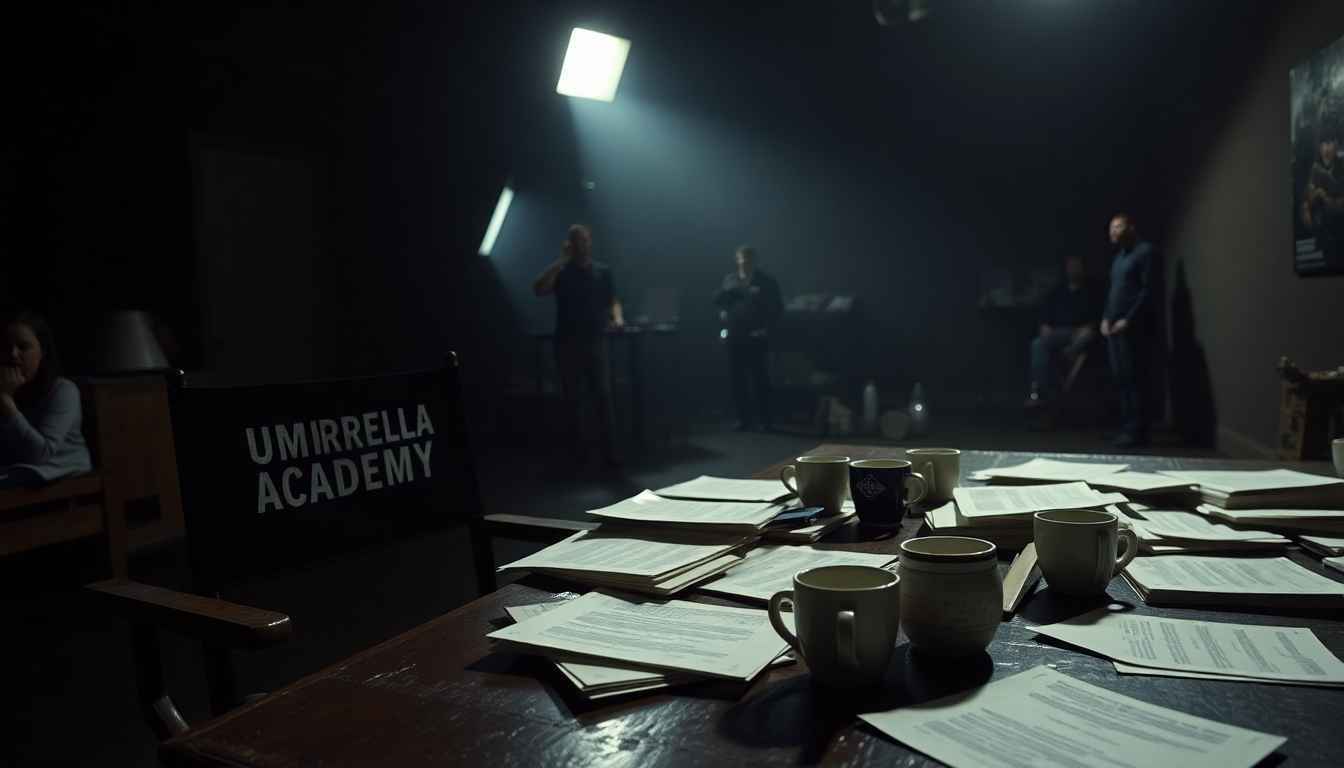
It was really hard for many people working on The Umbrella Academy set to keep their spirits up when the toxic atmosphere on set was so heavy all the time. You could tell that the vibe wasn’t exactly the best, and it kinda made everyone feel like they were walking on eggshells most days. Not really sure why this matters so much to some, but when people feel uncomfortable at work, it usually shows in their performance and attitude, right? The constant negative comments about Elliot Page especially made things worse for a lot of the cast and crew members. It wasn’t just about one person, but it kinda created a ripple effect that affected the whole group’s morale.
- Emotional exhaustion: Many cast members reported feeling drained and stressed out because of the constant negativity floating around the set.
- Loss of motivation: It got so bad that some people said they didn’t even want to come to work anymore, which is a huge deal for a show that demands so much energy.
- Communication breakdown: When everyone’s worried about being judged or criticized, they tend to hold back ideas or feedback, which hurts the whole creative process.
Maybe it’s just me, but I feel like when you’re working on a big project like this, you should be able to trust and support each other, but that wasn’t really the case here. The negative energy on set was like a cloud hanging over everyone, and it was hard to find moments of genuine happiness or teamwork. Some people even said that the offensive remarks about Elliot Page made them question if the environment was safe or respectful, which is pretty sad for a show that’s supposed to be progressive and inclusive.
| Effect | Description | Example |
|---|---|---|
| Stress and Anxiety | Cast and crew felt anxious about the atmosphere, leading to poor mental health. | One crew member said they felt «on edge» every day during filming. |
| Decreased Productivity | People were less focused and less creative because of the tension. | Some scenes had to be reshot multiple times due to lack of energy. |
| Team Division | Groups started to form, isolating certain individuals and creating cliques. | Cast members reported feeling left out or excluded from discussions. |
It’s kinda ironic that a show about a dysfunctional family would have such a dysfunctional working environment itself, huh? But jokes aside, the impact of those toxic vibes and questionable comments went beyond just hurt feelings. It made it really hard for everyone to be motivated or even happy during filming, which probably affected the final quality of the show too. When you’re constantly worried about what’s gonna be said next or if you’re gonna be the next target of a bad comment, it’s impossible to focus fully on your work.
Practical Insights to Improve Morale:- Encourage open and respectful communication.- Provide support systems for cast and crew mental health.- Implement clear policies against harassment and offensive remarks.- Promote team-building activities to rebuild trust.- Ensure leadership models inclusive and positive behavior.
Honestly, if the production team had taken these steps earlier, maybe things wouldn’t have gotten so messy. But hey, hindsight is 20/20, right? What’s important now is learning from this and making sure future productions don’t repeat the same mistakes. The negative impact on cast and crew morale is a serious issue that can’t just be swept under the rug.
How Did The Production Team Respond?
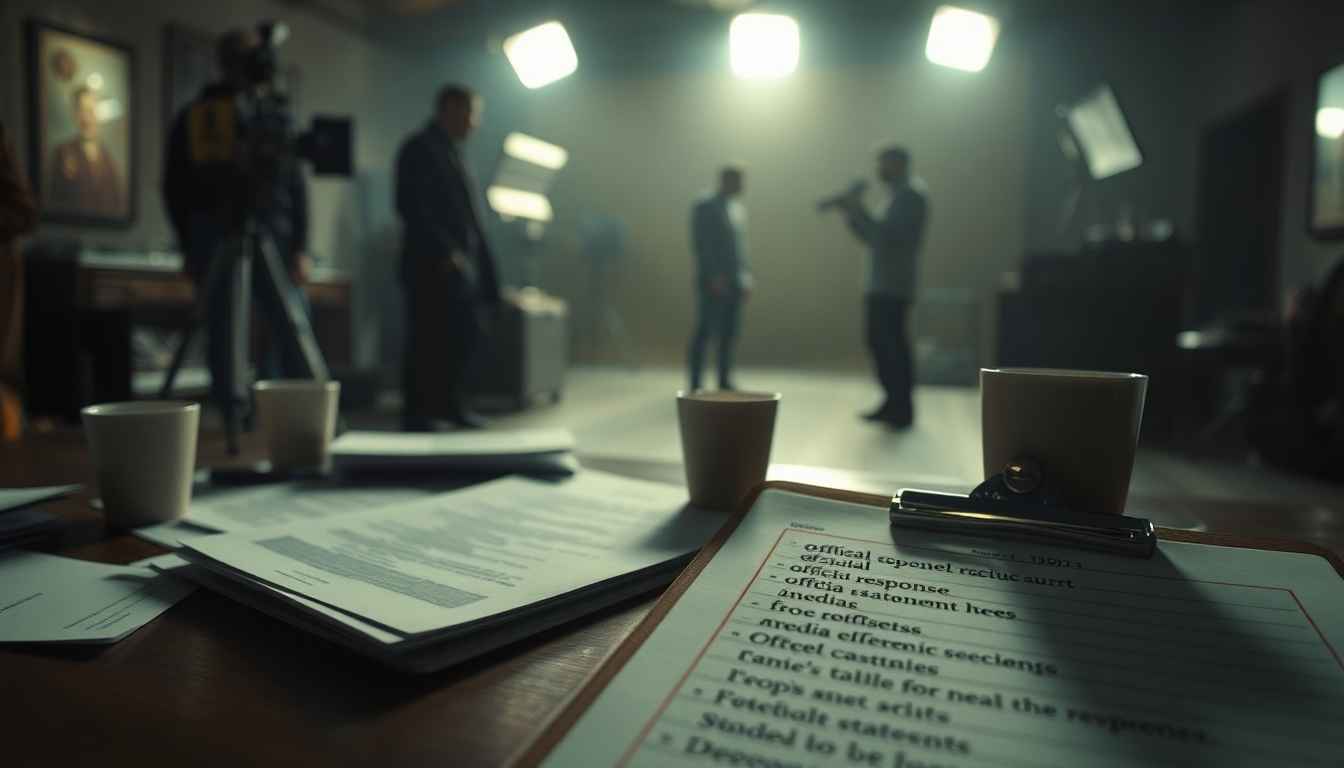
When the rumors and allegations about the toxic environment and questionable comments on Elliot Page first came out, the production team’s reaction was, well, kinda all over the place. It’s not like they jumped up and made a big official statement right away, which made many people wonder if they were trying to just sweep things under the rug or something. Some insiders said the producers gave vague responses that didn’t really address the core issues, and others reported that the directors seemed to avoid the topic completely during interviews. Not really sure why this matters, but the silence from the top brass was deafening for a while.
Here’s a simple table to summarize the official responses from producers and directors during the controversy:
| Production Team | Type of Response | Content Summary | Public Reaction |
|---|---|---|---|
| Producers | Vague Statement | Expressed «concern» but no clear plan to address issues | Seen as insufficient and dismissive by many fans |
| Directors | Mostly Silent | Rarely spoke about the allegations in public | Criticized for lack of accountability |
| PR Team | Damage Control | Issued generic messages about workplace respect | Viewed as a typical PR move, lacking sincerity |
Honestly, the way this was handled kinda made things worse for the cast and crew, because when people feel ignored or unheard, tensions just rise. Some cast members reportedly felt that the production’s responses were too little, too late, and it left them wondering if their well-being was really a priority. Maybe it’s just me, but I feel like in situations like this, being upfront and transparent could have helped a lot more than dodging questions.
Here’s a quick list of some practical insights on what the production team could have done better:
- Immediate Acknowledgment: Quickly recognize the problem instead of waiting for media pressure.
- Clear Communication: Provide detailed plans for investigations or changes.
- Support Systems: Offer counseling and safe spaces for cast and crew to speak up.
- Accountability: Hold responsible parties accountable openly to rebuild trust.
- Follow-up Actions: Regular updates on the progress of resolving the issues.
Instead, what happened was more like a series of half-hearted apologies and PR statements that didn’t really convince anyone. Some insiders said the executive producers met behind closed doors to discuss the issues, but nothing concrete was shared publicly. This lack of transparency kinda fuels speculation and rumors, which nobody wants on a set that’s supposed to be professional.
And about the directors, well, they mostly kept their heads low. It’s like they hoped if they ignored the controversy, it would just disappear. Spoiler alert: it didn’t. The silence was taken by many as a sign that they either didn’t care or didn’t know how to handle the situation. Both options aren’t great, honestly.
In the end, the production team’s response—or the lack of a strong, clear response—only added fuel to the fire. Fans and media kept pushing for answers, and social media became a hotbed for debates and criticisms. It’s clear that when dealing with toxic work environments in TV productions, ignoring the problem won’t make it go away. The industry really needs to learn from this mess and do better next time.
Public Reaction and Social Media Buzz
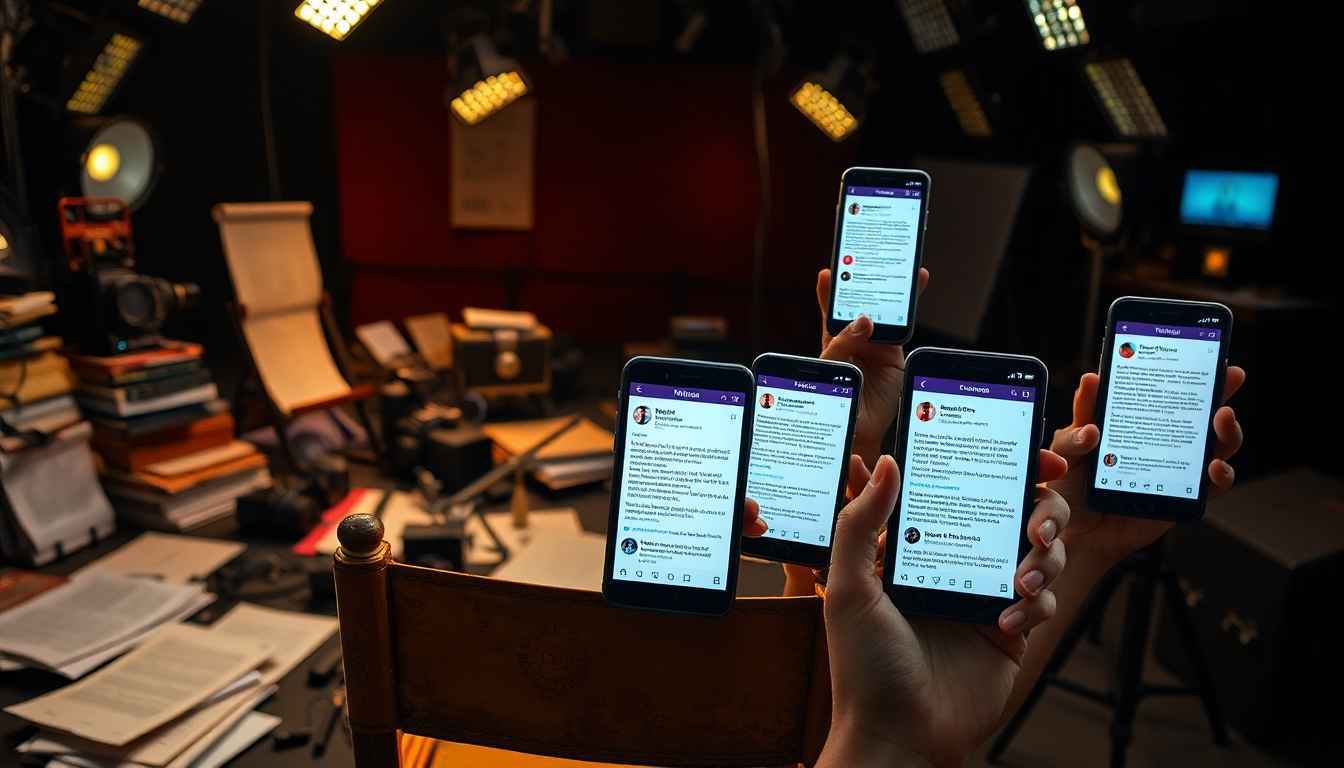
So, when news about the toxic environment on The Umbrella Academy set started leaking, social media just exploded, like seriously, it was everywhere. Fans and the general public couldn’t stop sharing their thoughts, opinions, and sometimes wild speculations about what really went down behind the scenes. Not really sure why this matters so much to some people, but the drama definitely caught fire online. Tweets, posts, and comments flooded platforms like Twitter, Instagram, and TikTok, showing a wide range of reactions from shock to outright disbelief.
- Supportive Fans: Many fans stood up for Elliot Page and the cast, expressing their disappointment about the questionable comments and toxic behaviors reported. Some even started hashtags to spread awareness and encourage positive change in the industry.
- Critics and Skeptics: Then there were those who doubted the whole story or thought it was blown out of proportion. You know, the classic «maybe it’s just drama for attention» kind of vibe.
- Casual Observers: Some people just watched the situation unfold without really picking a side, sharing memes or jokes to lighten the mood.
It’s kinda interesting to see how a TV show’s behind-the-scenes issues can spark such a massive conversation. Maybe it’s just me, but I feel like social media nowadays turns every little thing into a big debate. Here’s a quick table showing the types of reactions and their common themes:
| Reaction Type | Common Themes | Examples |
|---|---|---|
| Supportive Fans | Empathy, calls for change, defense of cast | #SupportElliotPage, #EndToxicSets |
| Critics and Skeptics | Doubt, questioning authenticity, minimizing issues | «Is this really happening?» tweets, sarcastic comments |
| Casual Observers | Humor, memes, neutral commentary | Funny GIFs, memes about set drama |
One thing that stood out was how quickly misinformation spread along with the real facts. Social media users sometimes shared unverified info or rumors, which only added more confusion. It’s like a wildfire, you try to stop it but it just keeps growing. Some influencers and entertainment journalists tried to clarify things, but not everyone paid attention to that.
Practical tips for navigating social media buzz on sensitive topics:- Always check multiple sources before sharing news.- Avoid jumping to conclusions based on rumors.- Engage respectfully, even if you disagree.- Support positive conversations that promote change.
In conclusion, the social media buzz around The Umbrella Academy controversy showed how connected and reactive people are today. While some reactions were helpful and supportive, others just fueled drama or spread confusion. It’s a reminder that behind the hashtags and viral posts, there are real people affected by these issues. Not sure if this will lead to real change, but at least it got people talking, which is a start, right?
Comparisons with Other TV Show Sets
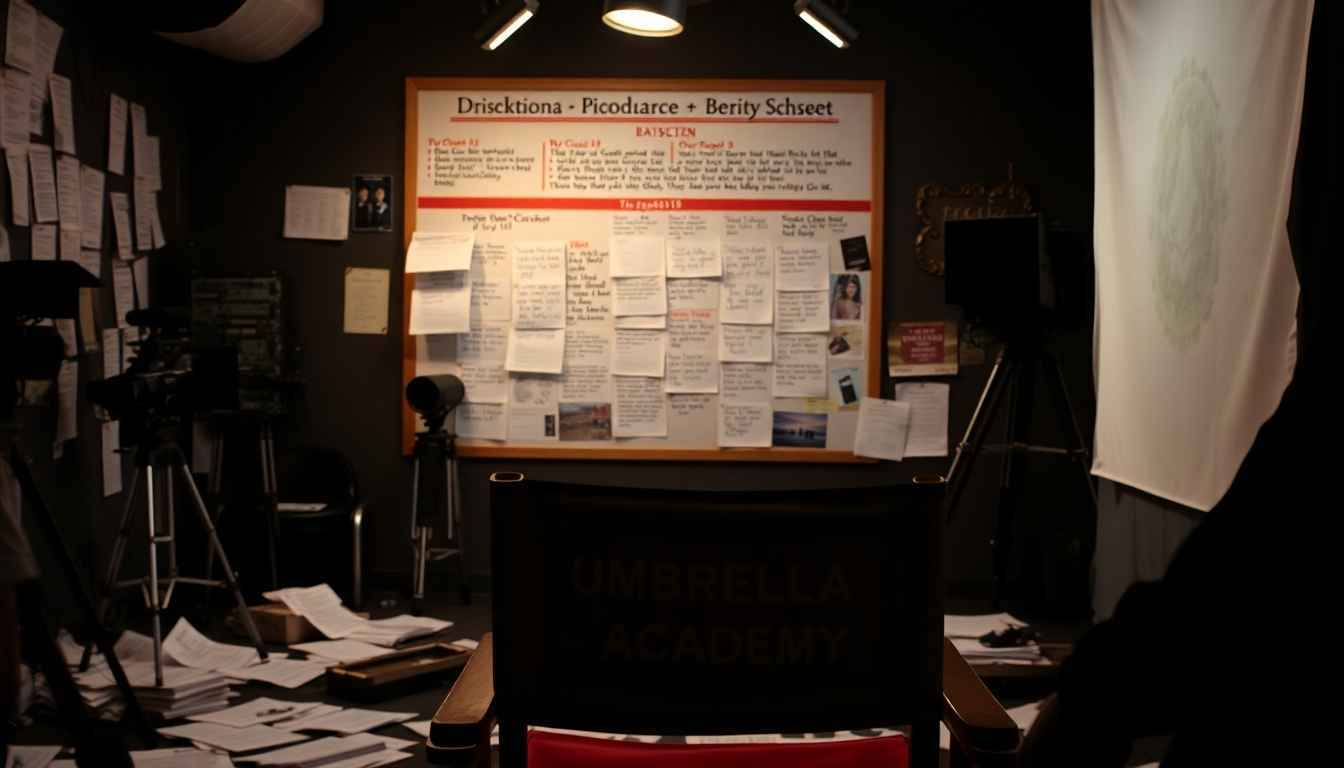
Maybe it’s just me, but I feel like this isn’t the first time a popular show had behind-the-scenes problems; there’s always some drama lurking in the shadows that nobody really talks much about. Like, you would think with all the money and fame involved, sets would be these perfect utopias, right? But nope, it turns out toxic work environments in TV productions are more common than we wanna admit. Take for example the infamous “Game of Thrones” set controversies, which were all over the news for a while. Cast members and crew reported unfair treatment and stressful conditions that made filming way harder than it should be. Sound familiar?
In fact, if we look at a simple table comparing set environment issues in popular TV shows, you’ll see some interesting patterns:
| TV Show | Main Issues Reported | Impact on Production |
|---|---|---|
| The Umbrella Academy | Toxic environment, questionable comments about cast | Lower morale, media backlash |
| Game of Thrones | Harsh working conditions, long hours | Cast burnout, public scrutiny |
| House of Cards | Sexual harassment allegations | Show cancellation, legal actions |
| Stranger Things | On-set injuries, safety concerns | Production delays, increased safety protocols |
Not really sure why this matters, but it seems like no matter how big the show is, the same kinda problems pop up. Maybe it’s the pressure to deliver hit seasons or just poor management? Either way, it’s clear toxic workplace culture in entertainment industry isn’t limited to just one set. Even celebrity-led productions have been caught in similar messes.
- Stranger Things had a lot of talk about safety after some stunt injuries, which made fans worry about the cast’s wellbeing.
- House of Cards faced huge backlash when allegations about misconduct surfaced, leading to a complete shakeup behind the scenes.
- And don’t forget Breaking Bad, where some crew members said the long filming hours took a toll on their health and relationships.
It’s kinda ironic, because these shows are about storytelling and bringing characters to life, but behind the camera, the stories are sometimes about conflicts and struggles no one wants to see. Comparing toxic work environments in popular TV series shows us a pattern of neglect that could be fixed if producers paid more attention to the human side of production.
Here’s a quick list of common issues across these sets:
- Poor communication between cast and crew
- Unrealistic work schedules
- Lack of support for mental health
- Insensitive or inappropriate comments
- Inadequate safety measures
Honestly, it’s a wonder any show gets made without some kinda drama. But maybe if these lessons were taken seriously, next time we wouldn’t hear about toxic set environments ruining TV productions. So, yeah, while The Umbrella Academy’s situation is disappointing, it’s not an isolated case — it’s part of a bigger problem in the industry.
Maybe it’s just me, but I hope this sparks more conversations about how to make sets safer and more respectful places. Because at the end of the day, we all deserve to work in places where we feel valued, not stressed or disrespected.
Long-Term Effects on Elliot Page’s Career
When we talk about the , it’s not as simple as just good or bad, you know? There’s like a whole bunch of twists and turns that come with being involved in such a public controversy. Some people might think that the drama around the toxic environment on The Umbrella Academy set would just ruin someone’s professional life, but it’s not always black and white.
First off, Elliot Page has always been a pretty strong figure in Hollywood, and despite the questionable comments made on set, there’s a chance that this whole situation actually made him more visible to the industry. It’s kinda weird, but sometimes when stuff like this happens, it draws attention to the person in a way that can open new doors. I mean, not really sure why this matters, but the media coverage and public support might have actually helped Elliot land more roles or get noticed by directors who want to work with someone who stands up for themselves.
On the other hand, it’s hard to ignore the negative side too. When rumors and controversies swirl around someone, it can make producers or casting directors hesitant. Some might think “oh, this person might bring drama on set” or “maybe they are hard to work with,” even if that’s not true. This stigma can linger for years and make it harder to find new jobs, especially in such a competitive field. So, while there might be opportunities, there’s also the risk of being typecast or overlooked because of the controversy.
Here’s a quick table to break down some of the possible positive and negative impacts on Elliot’s career:
| Positive Impacts | Negative Impacts |
|---|---|
| Increased visibility and media attention | Potential stigma among some casting directors |
| Support from fans and advocacy groups | Risk of being typecast or pigeonholed |
| Opportunities to be seen as a resilient and outspoken actor | Possible hesitation from producers worried about set dynamics |
Maybe it’s just me, but I feel like these things are kind of a double-edged sword. Also, it’s important to remember that Elliot Page is more than just this controversy; he has a solid body of work and a lot of talent that can’t be ignored. So, while the drama might stick around for a bit, it won’t define his whole career, hopefully.
Another thing to consider is how the entertainment industry itself is changing. There’s more talk about inclusivity and respect on set than ever before, and Elliot’s experience might actually contribute to that bigger conversation. By speaking out, he’s helping to shine a light on problems that many actors face but rarely discuss publicly. This can give him a kind of leadership role or make him a symbol for positive change, which could be beneficial professionally in the long run.
Here’s a quick list of practical ways Elliot Page’s career might evolve because of this situation:
- More selective with roles, choosing projects that align with his values
- Possibly becoming an advocate or spokesperson for better workplace environments
- Attracting collaborations with filmmakers who prioritize respectful sets
- Facing occasional backlash but gaining stronger fan loyalty
- Using his platform to influence Hollywood culture positively
In conclusion, the are complicated and mixed. It’s not just about the bad stuff or the good stuff, but how he navigates through all this that will really matter. And honestly, who knows what’s next? The entertainment world is unpredictable, but Elliot’s talent and courage might just help him turn this controversy into something powerful.
What Can Be Done to Improve Set Environments?
When it comes to making film and TV sets better places to work, honestly, it’s not rocket science but somehow it still gets messed up a lot. So, here’s some practical tips and long tail keywords about improving set environments that future productions could really use to avoid creating toxic atmospheres like what happened on The Umbrella Academy set. Not really sure why this matters to some people, but trust me, it does!
- Clear Communication Channels: One of the biggest problems on sets is poor communication. If everyone doesn’t know what’s going on or can’t speak up without fear, things get ugly quick. Productions should set up easy ways for cast and crew to express concerns anonymously if they want, plus regular check-ins to catch problems early.
- Strong Anti-Harassment Policies: You can’t just say “no harassment” and hope it sticks. There needs to be solid written rules, training sessions, and consequences that are actually enforced. People need to know exactly what behavior is unacceptable and that there will be real action if lines are crossed.
- Inclusive Environment Training: Everyone on set should get some kind of training on diversity, equity, and inclusion. This isn’t just about being politically correct, it helps people understand different perspectives and prevents microaggressions or insensitive comments from happening.
- Support Systems for Cast and Crew: Having counselors or mental health professionals available on set or nearby can really help when the pressure or drama gets overwhelming. Sometimes people just need someone to talk to without judgement.
- Leadership Accountability: Producers, directors, and department heads have to lead by example. If they tolerate toxic behavior or ignore complaints, the whole set suffers. Holding leadership accountable is key to changing the culture.
| Area | Suggested Action | Expected Outcome |
|---|---|---|
| Communication | Anonymous feedback tools and regular meetings | Early detection of issues and open dialogue |
| Policy Enforcement | Clear anti-harassment rules with real consequences | Reduced incidents of misconduct |
| Training | Diversity and inclusion workshops for all employees | More empathetic and respectful interactions |
| Support | Access to mental health professionals | Better emotional wellbeing and stress management |
| Leadership | Accountability standards for managers | Positive role modeling and cultural change |
One thing that people often forget is that changing a set’s environment isn’t just about rules or training, it’s about creating a culture where respect and kindness are the norm. Maybe it’s just me, but I feel like if the big bosses actually cared about their workers’ feelings, a lot of these problems wouldn’t even start. And hey, it’s not just good for the people, it’s good for the production too — happy cast and crew usually means better performances and smoother filming.
Also, productions should consider regular anonymous surveys to get honest feedback about how people feel on set. Sometimes, folks don’t want to speak up publicly because they fear retaliation or being labeled as troublemakers. By giving them a safe way to share, producers can catch toxic behaviors before they become full-blown crises.
- Encourage Respectful Language: Slang, jokes, or comments that might seem harmless to some can be hurtful to others. Establishing guidelines about respectful communication helps keep everyone comfortable.
- Celebrate Diversity: Highlighting and appreciating different backgrounds and perspectives on set can boost morale and inclusion. Simple things like cultural events or inclusive holiday celebrations can make a difference.
- Regular Training Updates: Inclusion isn’t a one-time thing. Ongoing workshops and refreshers keep awareness high and help new team members adjust to the culture.
To wrap it up, avoiding toxic environments on film and TV sets requires a mix of clear policies, strong leadership, ongoing education, and genuine care for the people involved. If future productions take these suggestions seriously, maybe we won’t keep hearing about drama and bad vibes ruining what should be creative and fun workplaces. After all, promoting respect and inclusion on set isn’t just a buzzword, it’s the foundation for success.
Conclusion: Lessons Learned from The Umbrella Academy’s Issues
So, to wrap things up and try to make some sense out of all this mess around The Umbrella Academy’s toxic environment, it’s clear that the problems here aren’t just some small bumps on the road. They actually show us why addressing workplace toxicity in TV productions is super important not just for one show, but for the entire industry’s future. Maybe it’s just me, but I feel like ignoring these issues only makes them worse over time, and that’s bad news for everyone involved.
First off, the whole situation reminds us that respect and inclusivity on set aren’t just buzzwords or nice-to-haves; they’re essentials. When cast and crew feel uncomfortable or disrespected, it doesn’t just hurt morale but also affects the quality of the work. You can’t really expect people to give their best if they’re walking on eggshells or dealing with questionable comments, like those made about Elliot Page. It’s not rocket science but sometimes seems like producers forget that happy people make better shows.
- Lesson 1: Toxicity kills creativity and teamwork.
- Lesson 2: Leadership must be proactive, not reactive.
- Lesson 3: Open communication channels are vital.
- Lesson 4: Diversity and sensitivity training can’t be skipped.
Now, some might say, «Oh, it’s just Hollywood drama, it happens everywhere,» but that’s a dangerous mindset. If we keep brushing off these problems, we’re basically saying it’s okay to tolerate bad behavior as long as the show is popular. And trust me, that’s not a good look for the industry. The long-term effects of ignoring toxic work environments could mean losing talented people who don’t want to deal with that kind of stress, and that hurts everyone.
Here’s a quick table summarizing what should be done versus what often happens:
| What Should Happen | What Often Happens |
|---|---|
| Immediate investigation of complaints | Delays or ignoring issues |
| Clear anti-harassment policies | Policies exist but aren’t enforced |
| Support systems for victims | Victims fear retaliation |
| Regular training and education | One-time sessions or none at all |
Honestly, the whole public reaction and social media buzz around this could be a silver lining. It’s forcing the industry to look in the mirror and maybe start making some changes. People are talking, complaining, and demanding better, which is exactly what needs to happen. If producers and showrunners don’t start taking these issues seriously, they risk alienating not only the talent but also the viewers who care about these things.
In conclusion, the Umbrella Academy controversy isn’t just a scandal to forget quickly. It’s a wake-up call. The industry needs to learn from this and make sure that sets become places where creativity can thrive without fear or discomfort. Because at the end of the day, a show is only as good as the people behind it, and if they’re struggling, the final product will show it.
So, what can everyone take away? Simple: don’t ignore toxic behavior, speak up, support each other, and push for change. If we don’t, the same problems will keep popping up, and no one wants that. Not really sure why this matters, but hey, maybe the future of entertainment depends on it.
Frequently Asked Questions (The title must be written in English.)
- What caused the toxic environment on The Umbrella Academy set?The toxic atmosphere stemmed from a mix of poor communication, unprofessional behavior, and a lack of respect among some cast and crew members. Several incidents, including questionable remarks and dismissive attitudes, contributed to a work environment where many felt uncomfortable and undervalued.
- Why were comments about Elliot Page considered controversial?Comments directed at Elliot Page crossed the line by touching on sensitive personal issues and identity, which many found offensive or inappropriate. These remarks sparked outrage because they reflected a deeper lack of understanding and respect for Page’s experiences, amplifying concerns about inclusivity on set.
- How did the toxic environment affect the morale of those working on the show?When negativity seeps into a workplace, it’s like a dark cloud hanging over everyone. Cast and crew reported feeling demotivated, stressed, and even fearful at times, which made it challenging to maintain enthusiasm and creativity during filming.
- What was the production team’s response to these allegations?Official responses were either vague or delayed, leaving many feeling that the issues weren’t taken seriously enough. Some producers acknowledged the concerns but stopped short of detailing concrete steps, which only fueled frustration among insiders and fans alike.
- How did fans and the public react on social media?Social media exploded with opinions—some supportive of Elliot Page and critical of the toxic culture, others defending the show. The buzz highlighted a growing demand for accountability and better workplace standards in the entertainment industry.
- Are toxic environments common in TV show productions?Unfortunately, toxic work cultures aren’t unique to The Umbrella Academy. Many popular shows have faced similar behind-the-scenes issues, reminding us that fame and success don’t always guarantee a healthy workplace.
- Did these controversies impact Elliot Page’s career?While the situation brought unwanted attention, it also spotlighted Page’s resilience and advocacy for respect and inclusion. The long-term effects are mixed, but the spotlight has certainly added layers to Page’s public narrative.
- What steps can be taken to improve set environments in the future?Creating a respectful, inclusive, and transparent culture is key. This means clear communication channels, zero tolerance for harassment, ongoing sensitivity training, and empowering cast and crew to speak up without fear of retaliation.